

Autism Stem Cell Therapy
Stem Cell Treatment
Finding Support for Autism Challenges: Understanding Stem Cell Therapy for Autism
If sensory overload, communication difficulties, or anxiety related to autism has been impacting your or your loved one’s daily life, you might consider exploring stem cell therapy for autism, a treatment designed to reduce neuroinflammation, support brain function, and potentially ease specific symptoms. This approach addresses various autism-related challenges including sensory sensitivities, communication barriers, digestive issues, sleep disturbances, and anxiety.
Clinical studies show that many individuals experience improvements in communication, behavior, and quality of life, with some research reporting 60-80% of participants showing positive changes in at least one core area. Unlike interventions that focus solely on behavioral modification, stem cell therapy works at the cellular level to support your body’s natural regulatory systems. In this comprehensive guide, we’ll explore the science behind this treatment, what to expect during the process, and help you understand if this supportive approach could enhance comfort while honoring neurodiversity.
What Is Stem Cell Therapy for Autism?
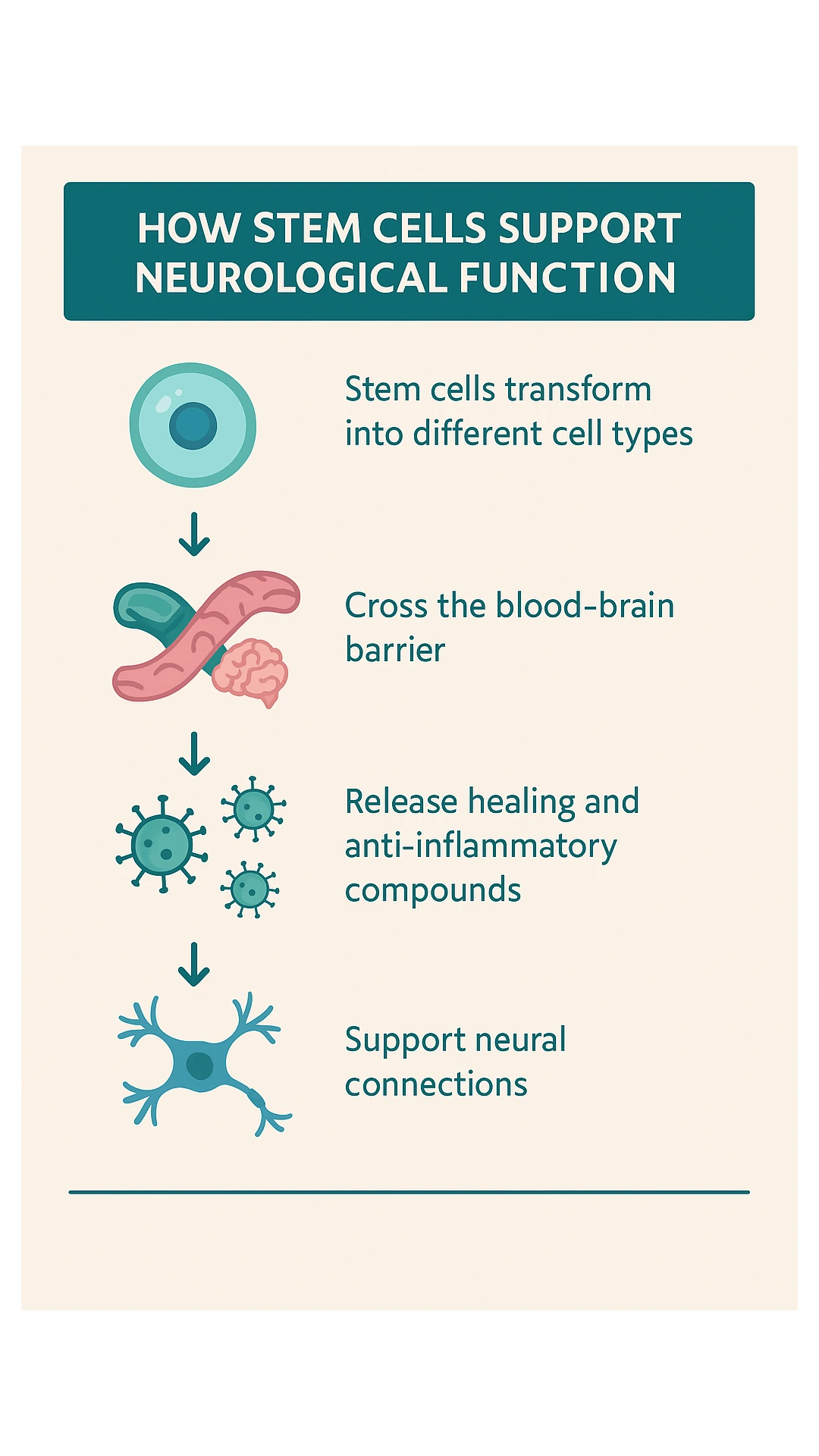
Stem cells function as your body’s cellular support system. Unlike specialized cells that perform one specific job, stem cells remain undifferentiated until needed, then transform into whatever cell type your body requires. This remarkable ability makes them particularly valuable for supporting neurological function.
In autism stem cell therapy, we use carefully screened donor cells (mesenchymal stem cells) that have been extensively tested for safety and potency. When delivered intravenously, these cells respond to chemical signals from areas of inflammation, including the brain. They can release anti-inflammatory compounds, support neural connections, and recruit other healing factors throughout the body. The process enhances your body’s existing regulatory mechanisms to reduce inflammation and support optimal brain function.
The Natural Inflammatory State in Autism
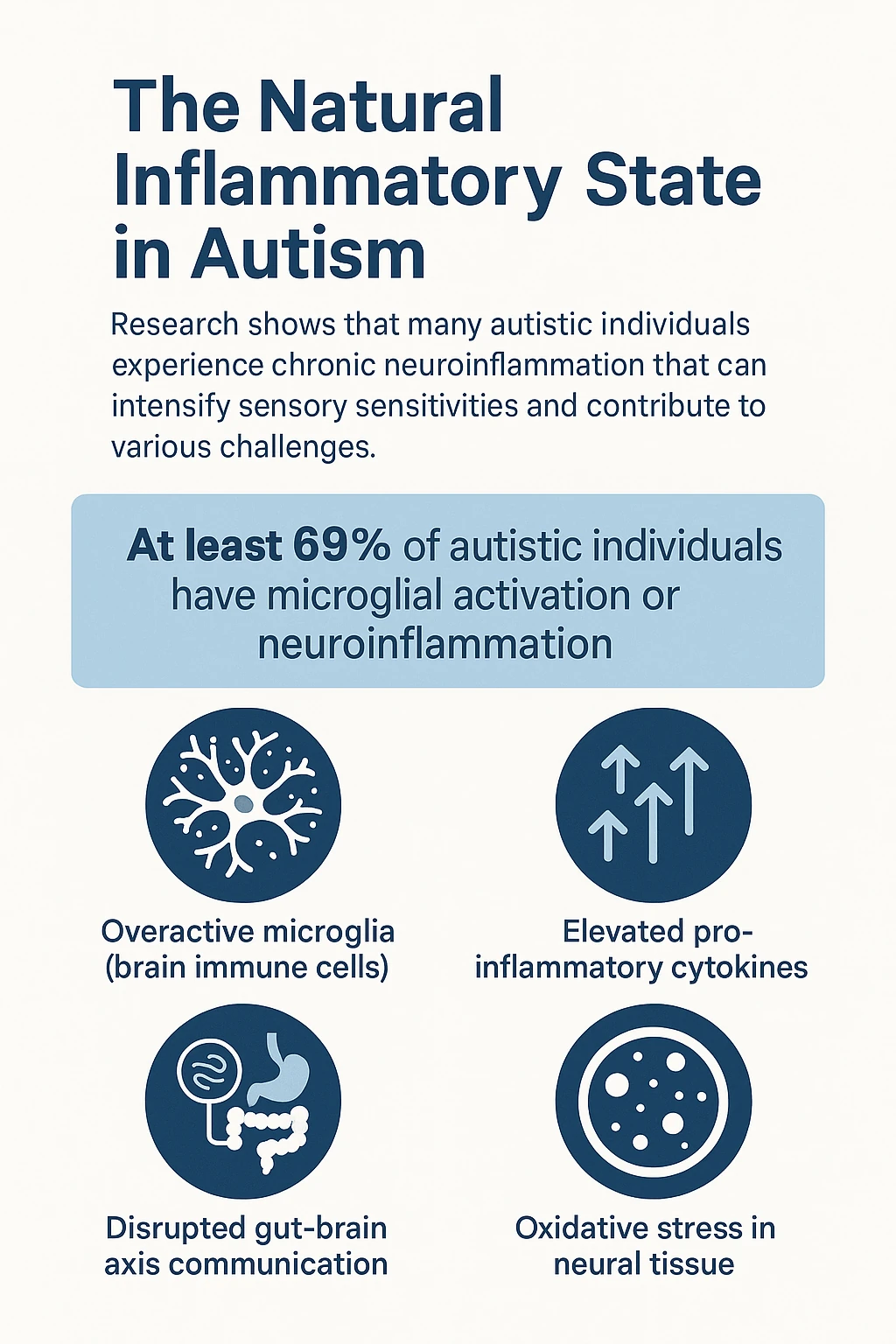
Research shows that many autistic individuals experience chronic neuroinflammation that can intensify sensory sensitivities and contribute to various challenges. This inflammatory state affects multiple body systems, creating a cascade of effects that impact daily functioning.
Studies indicate that at least 69% of autistic individuals have microglial activation or neuroinflammation, with elevated inflammatory markers in their brain and throughout their body. This persistent inflammation doesn’t just affect comfort levels - it can impact sleep quality, digestive function, emotional regulation, and the ability to process sensory information effectively.
The inflammatory process in autism often involves:
-
Overactive microglia (brain immune cells)
-
Elevated pro-inflammatory cytokines
-
Disrupted gut-brain axis communication
-
Compromised blood-brain barrier function
-
Oxidative stress in neural tissue
The Science of Stem Cell Therapy for Autism
When stem cells enter your bloodstream, they immediately begin detecting areas of inflammation through a sophisticated signaling process. These cells can cross the blood-brain barrier and identify exactly where support is needed most.
The stem cells then begin producing healing proteins and regulatory factors. Here’s what each one does:
Healing Factors Released by Stem Cells
| Factor | Simple Name | Function |
|---|---|---|
| IL-10 | Inflammation Blocker | Reduces brain and body inflammation |
| BDNF | Brain Growth Factor | Supports neural connections |
| NGF | Nerve Helper | Improves communication between neurons |
| VEGF | Blood Flow Enhancer | Increases oxygen to brain tissue |
| IGF-1 | Cell Protector | Shields neurons from stress |
| TGF-β | Immune Balancer | Regulates overactive immune responses |
Research on Stem Cell Therapy for Autism Success Rate
The body of scientific evidence supporting stem cell therapy for autism spectrum disorder continues to expand, with research from leading medical institutions demonstrating its therapeutic potential. Multiple clinical trials and comprehensive reviews have evaluated the safety and effectiveness of this supportive treatment approach.
A major 2022 meta-analysis examining data from 325 children across 5 controlled trials found that stem cell therapy provided significant improvements in autism symptoms. Children in the treatment group showed notably better scores on standardized autism assessments compared to those receiving standard care alone.
Comprehensive research published in 2017 by Duke University treated 25 children with their own cord blood stem cells. The findings showed that 70% of participants experienced meaningful improvements in communication, behavior, or social interaction, with benefits most pronounced in children with higher baseline cognitive abilities.
An extensive 2023 analysis that reviewed 11 clinical trials with 437 participants demonstrated exceptional safety across all studies. The research showed that children typically begin experiencing benefits within 1-3 months, with improvements in sleep, behavior, and communication continuing throughout the 12-month follow-up period.
The latest research from 2020 published in Molecular Autism found that stem cell therapy consistently improved core autism symptoms including social interaction, communication, and repetitive behaviors, with the most significant improvements seen when treatment was combined with traditional therapies.
This growing body of evidence from respected medical journals and institutions worldwide demonstrates that stem cell therapy offers a scientifically-supported treatment option for autism-related challenges. The consistency of positive outcomes across multiple studies, combined with the excellent safety profile, provides a strong foundation for considering this supportive approach.
Complete Treatment Experience: What to Expect
The entire stem cell therapy procedure takes approximately 60-90 minutes from start to finish. Since we use pre-screened donor cells, there’s no need for extraction procedures, making the treatment straightforward and comfortable.
What to Expect During Your Stem Cell Treatment
The treatment involves an intravenous infusion, similar to receiving an IV fluid treatment. Most patients find the procedure very comfortable, often reading or resting during the infusion. No sedation is required, and individuals can return home the same day.
The Steps Involved in Your Stem Cell Procedure
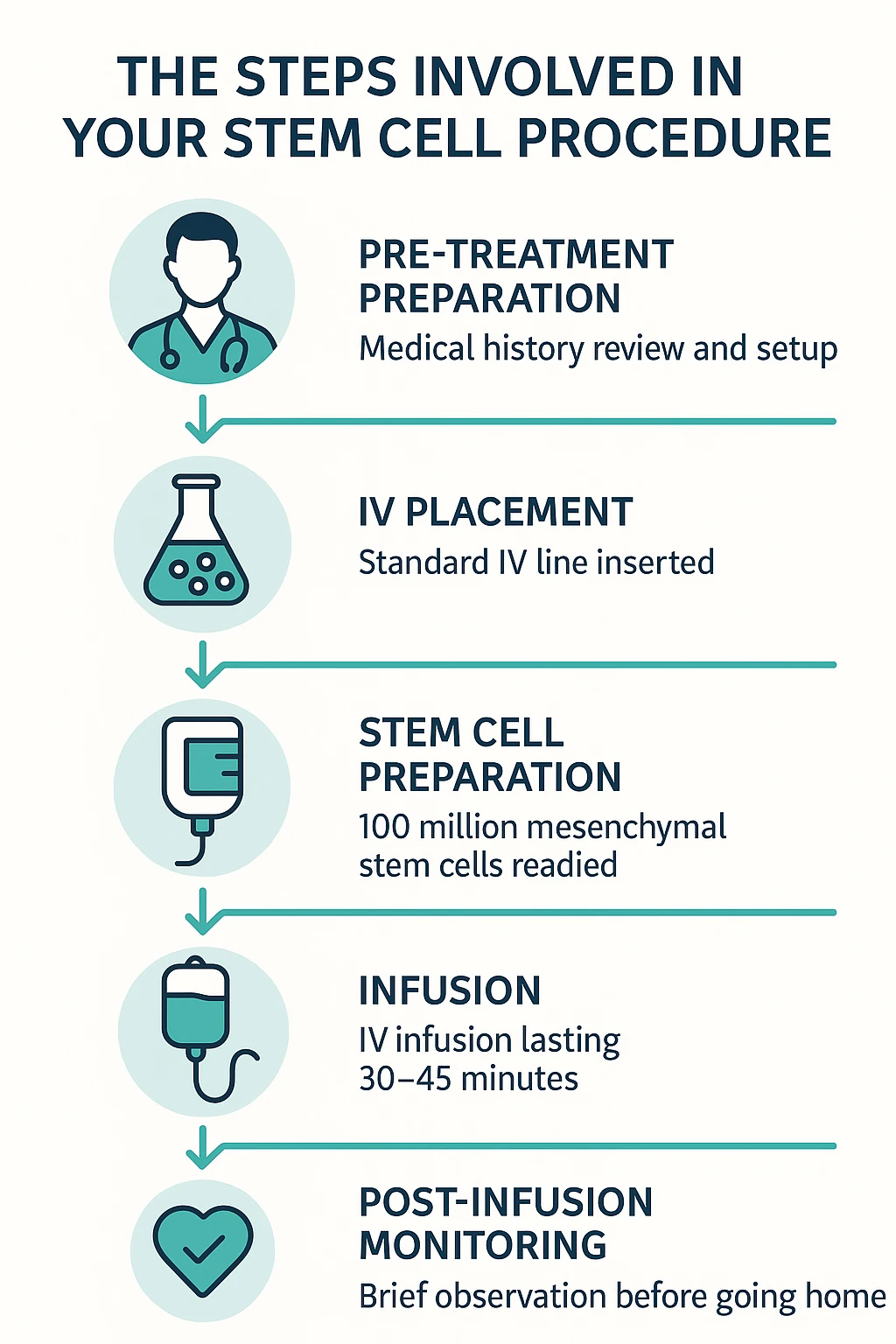
Here’s exactly what happens during your treatment:
-
Pre-treatment preparation: Medical team reviews your history and prepares the treatment area
-
IV placement: Standard IV line placed for the infusion
-
Stem cell preparation: 100 million mesenchymal stem cells prepared for infusion
-
Infusion: Stem cells delivered intravenously over 30-45 minutes
-
Post-infusion monitoring: Brief observation period to ensure comfort before going home
To enhance results, we complement the stem cell treatment with:
-
Customized nutritional protocols
-
Supplement recommendations
-
Lifestyle modification guidance
-
Follow-up monitoring and support
Recovery and Post-Treatment Care
Your body begins responding to treatment immediately. Here’s what to expect:
First 48-72 hours: Some individuals experience mild fatigue or low-grade fever as the immune system responds to the stem cells. This indicates the treatment is working. Rest is encouraged, but normal activities can continue.
First week: Most people return to their regular routine within 1-2 days. Some report feeling more calm or sleeping better early on.
Weeks 2-4: Initial improvements may become noticeable, including better sleep patterns, reduced anxiety, or improved digestion. These early changes often indicate more significant improvements to come.
Months 1-6: This is when substantial changes typically occur. Stem cells continue working to reduce inflammation and support neural function, with most individuals experiencing progressive improvements throughout this period. Peak benefits often appear between months 3-6.
Investment and What’s Included
Complete Treatment Package: USD $6,500 to USD $8,500
Your investment covers:
-
Initial medical consultation and evaluation
-
100 million mesenchymal stem cells
-
Laboratory testing and analysis
-
The infusion procedure
-
All medical supplies and sterile equipment
-
Personalized nutrition program
-
Supplement recommendations
-
24/7 support during recovery
Comparing Treatment Options for Autism Support
| Treatment | Approach | Time Commitment | Evidence Base | Duration of Effects | Cost |
|---|---|---|---|---|---|
| Stem Cell | IV infusion | Single visit | Growing research | Months to years | $6,500–$8,500 |
| ABA Therapy | Behavioral | 20–40 hrs/week | Well-established | Ongoing | $30k–$60k/year |
| Medications | Pharmaceutical | Daily | Symptom-specific | While taking | $100–$500/month |
| Dietary Interventions | Nutritional | Daily | Mixed evidence | Ongoing | $200–$500/month |
| Occupational Therapy | Sensory/motor | Weekly sessions | Good for skills | Ongoing | $100–$250/session |
| Speech Therapy | Communication | Weekly sessions | Proven for speech | Ongoing | $100–$200/session |
Frequently Asked Questions
How Much Is Stem Cell Therapy for Autism?
Stem cell therapy for autism costs between USD $6,500 to $8,500 for our complete treatment package. This includes the initial consultation, 100 million mesenchymal stem cells, the infusion procedure, laboratory testing, personalized nutrition program, and follow-up support. Payment plans may be available.
What Is the Stem Cell Therapy for Autism Success Rate?
Clinical studies show stem cell therapy for autism success rates of 60-80% for improvement in at least one core area. Success is measured by improvements in communication, behavior, sensory processing, sleep quality, or digestive function. Individual results vary based on age, severity of symptoms, and other factors.
Can Stem Cells Cure Autism?
Stem cells do not “cure” autism, as autism is a neurological difference, not a disease. Instead, stem cell therapy may help manage challenging symptoms like anxiety, sensory overload, digestive issues, and sleep problems. The goal is to improve quality of life and comfort while respecting and maintaining each individual’s unique neurodiversity.
Conclusion
Stem cell therapy for autism offers a treatment option that works with your body’s natural regulatory systems. By providing anti-inflammatory support and enhancing neural function, this approach addresses underlying biological factors that can intensify autism-related challenges rather than just managing surface behaviors. The research shows positive outcomes, with many individuals experiencing improvements in communication, sensory processing, and overall quality of life. While individual results vary and this treatment honors rather than changes neurodiversity, the combination of scientific evidence, systemic benefits, and excellent safety profile makes stem cell therapy an option worth considering for those seeking additional support. If you’re interested in learning more about whether stem cell therapy could help with specific autism-related challenges, contact us to schedule a consultation to discuss your unique situation and treatment goals.
Individual results may vary. No treatment outcomes are guaranteed. This information is for educational purposes only and should not replace professional medical advice. Statements not evaluated by the FDA or COFEPRIS.
Treatment
- Medical consultation
- 100 million Stem Cell IV
- 100 million Stem Cells via Intrathecal Injection
- Brain IV + Glutathione + NAD+ and High Dose Vitamin C+ others as need
- Full Blood Panel
- Recommended supplement to take.
- Recommendation on things to do to enhance wellness.
Start Today
We invite you to embark on this transformative journey with us through our certified stem cell therapies, a premier treatment option. A stem cell specialist will guide you through the entire process, explaining the program, benefits, and what to expect during and after the procedure. If you have any questions, suggestions, or would like to schedule a consultation, please feel free to reach out. Our dedicated team is here to provide you with the support and information you need to make informed decisions about your health.